Selling a Storage Facility That Needs Work
Every facility ages. In the Nevada sun it can age faster. If the repair list has grown past what you want to tackle, the facility can still be sold with that list on the clipboard.
- Buyer
- Direct, cash
- Condition
- Purchased as-is
- Repairs
- None asked of you
- Commission
- None on a direct sale
- Closing
- The date you choose
- Footprint
- Nevada only
The repair list every older facility eventually writes
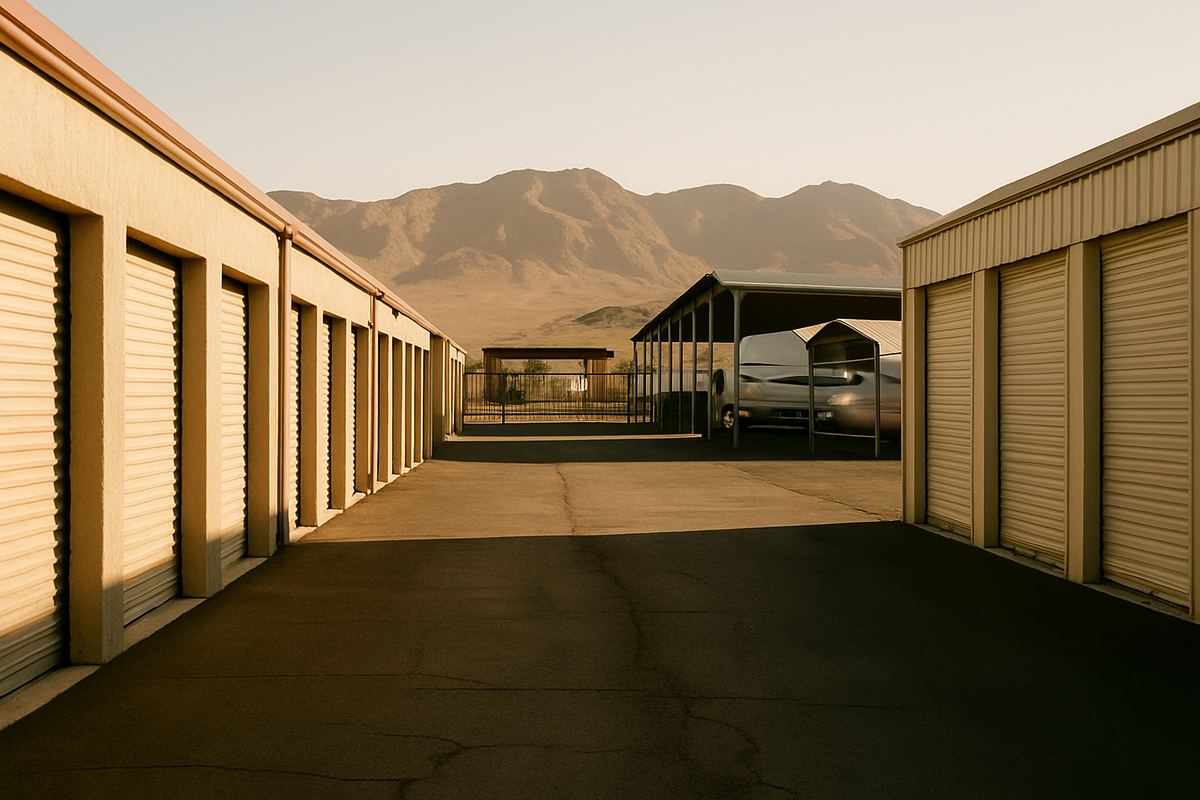
Deferred maintenance rarely starts as a decision. It starts with one door that needs a shove, one pothole by the gate, one camera that stopped recording. A few seasons later the list is long, the bids are expensive, and the work would interrupt tenants who have been there for years.
Roll-up doors and latches
Springs lose tension, tracks bend when tenants back into them, and paint chalks under constant sun. Replacing a building's worth of doors is a capital project, not a weekend fix, and buyers know it.
Asphalt, drainage and potholes
Drive aisles take a beating from moving trucks and trailers. Once cracks let water under the surface, sections break up. Poor drainage can leave standing water against building edges after a storm.
Roofs and gutters on single-story buildings
Metal roofs on long single-story buildings can develop leaks at fasteners and seams. A leak over a rented unit becomes a tenant complaint, and sometimes a claim against a tenant protection program.
Gates, keypads and cameras
Older gate operators and keypads wear out, and replacement parts get harder to find. Analog camera systems may record poorly or not at all. Tenants notice security shortcomings before owners do.
Code, accessibility and life-safety items
Accessible units and paths of travel
The 2010 ADA Standards include a section specific to self-service storage (section 225.3) that calls for a share of individual storage spaces to be accessible and dispersed among the different classes of space a facility offers, such as drive-up and climate-controlled. Older facilities may also have offices, restrooms or parking that predate current expectations. We do not give legal or compliance advice; we simply buy facilities with these questions unresolved.
Fire lanes and open permits
Unpermitted additions, an old office remodel or fire lane markings that faded long ago are common findings. Selling as-is means the buyer takes on resolving them with the local jurisdiction after closing.
If you have received a notice from a building, fire or code enforcement office, keep the letter and any correspondence. An open notice does not prevent a sale, but a buyer needs to see exactly what was cited, by which office, and whether any deadline has already passed. Clear paperwork keeps the closing on track.
Put the Facility in Front of a Direct Buyer
Send the address and whatever basics you have on hand. We read it, call with a handful of questions about the operation, and only after that talk about price. Sending this does not commit you to anything.
Handy to have nearby, though nothing is required to begin:
- Approximate unit count and the mix of sizes
- A recent rent roll or occupancy report
- The last twelve months of income and expenses
- Which management software and gate system the site runs
Would rather talk it through? The red TALK TO ALEX button connects you to our line.
Desert conditions that age a facility
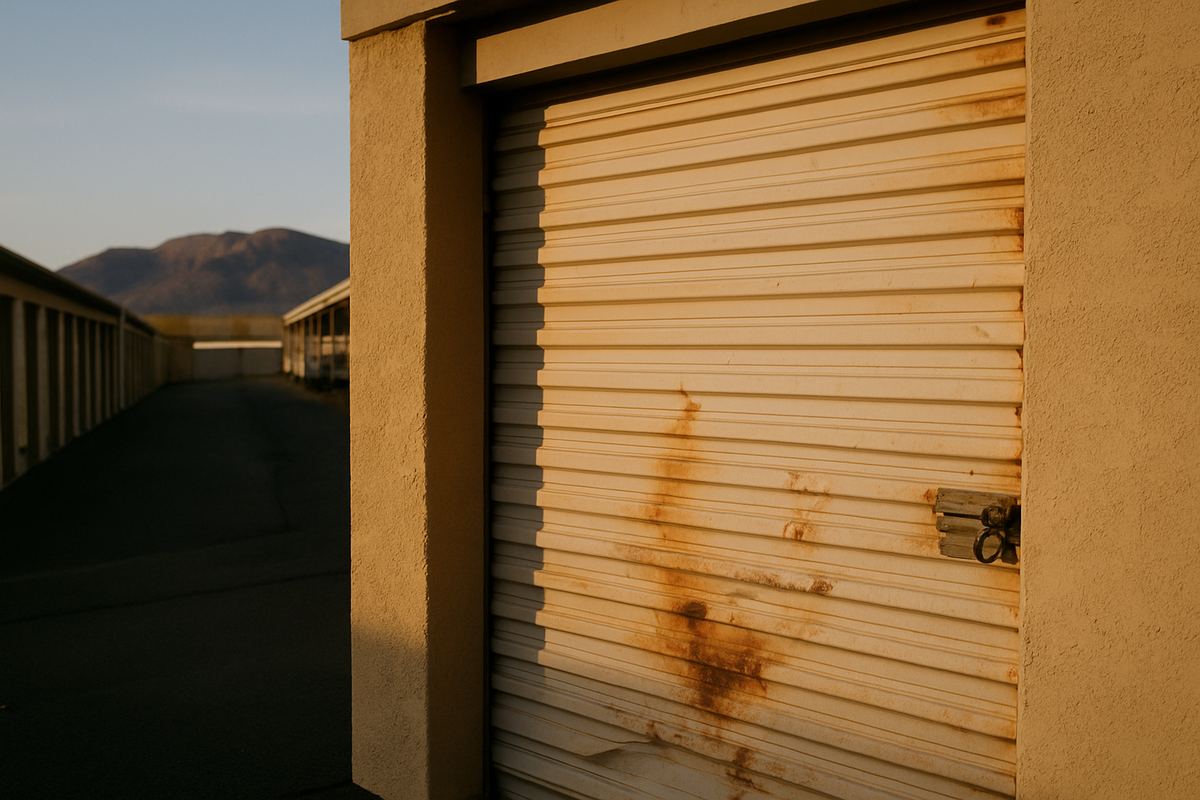
Southern Nevada's long, hot summers and intense sun are hard on paint, door seals, weatherstripping and asphalt binder. Summer monsoon storms can bring sudden heavy rain that tests drainage that rarely gets used. Facilities in older parts of the Las Vegas Valley and hillside sites around Boulder City show that wear differently than properties in the Reno and Sparks area, where winter freezes add their own stress to paving and roofs.
Wear is not only structural. Exterior lighting fades or fails, landscaping dies back, perimeter fencing sags and the office itself starts to feel dated. Each item is small, but together they shape how a prospective tenant feels when pulling up to the gate, and how a buyer reads the property on a first visit.
Fix it first, or sell it as it stands
Fixing first can make sense when you plan to hold the facility for years. When you plan to sell, the math is less clear: you carry the cost and disruption of construction, you take on contractor risk, and you may not recover the spend in the sale price. Selling as-is moves the project to a buyer who plans for it. It is a natural fit for facilities where rates and occupancy have also slipped and for heirs who inherited a facility with years of deferred work. If part of your parcel was meant for new buildings that never went up, our notes on selling unfinished expansion land cover that piece.
Contractor bids are not free
Even getting the work priced takes time. Door suppliers, paving contractors and roofers each want to walk the site, and their bids rarely line up on scope. Then comes scheduling around tenants, moving people out of units that need roof work and handling the complaints when a drive aisle is closed for resurfacing. Owners who have been through one major project often decide they would rather not do another.
Insurance and tenant protection claims
Leaks and security failures can lead to claims, whether through the facility's own policy or a tenant insurance or protection program. A history of claims is something a buyer will ask about, but it is not a reason a facility cannot sell. Pull together what you have, including any open claims, and we will factor it in.
Getting to closing with the repairs undone
- Write down what you know. Leaks, broken doors, gate problems and open permits. Disclosure protects you.
- Skip the bids. You do not need contractor estimates for us to make an offer.
- Tour the facility with us so the condition, including vacant and damaged units, is seen firsthand.
- Review an as-is cash offer that already accounts for the work ahead.
- Close when you are ready, on a date you select, with nothing to fix in between.
The general sequence is outlined on our page explaining the direct sale process, and the frequently asked seller questions cover inspections and disclosures.
Asked Often About This
Q.01Do I have to disclose problems if I am selling as-is?
Selling as-is means you are not making repairs, not that problems stay hidden. Telling a buyer what you know about leaks, broken equipment or open permits protects you and keeps the deal from unraveling late. Your own attorney can explain your specific disclosure obligations. We make our offer with the problems on the table.
Q.02What if tenants are complaining about the conditions?
That is common with older facilities and does not stop a sale. Keep records of complaints and any claims, and keep collecting rent as usual. A new owner who plans to fix doors, paving or security will often improve tenant relations after closing. You do not need to settle every complaint before you sell.
Q.03Will you buy a facility with storm or water damage?
Yes. Water damage from a roof leak or a storm that overwhelmed drainage is something we can evaluate on the walk-through. If an insurance claim is open, let us know where it stands so we can discuss how it fits with the sale and the closing date.