Selling Storage Expansion Land or an Unfinished Phase
Plenty of facilities were drawn with a phase two that never got built. That ground, whether raw, approved or half-finished, can be sold with the facility or on its own.
- Buyer
- Direct, cash
- Condition
- Purchased as-is
- Repairs
- None asked of you
- Commission
- None on a direct sale
- Closing
- The date you choose
- Footprint
- Nevada only
Land that was supposed to be phase two
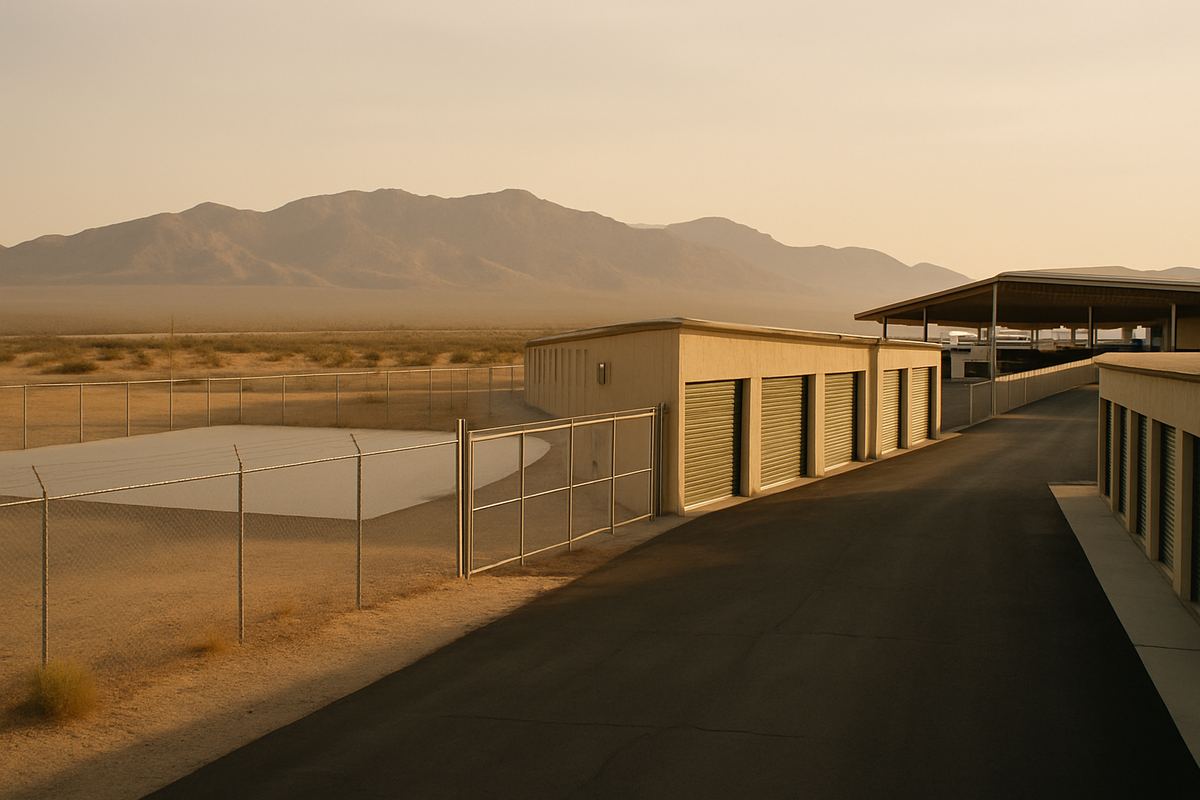
Storage owners often buy more land than they first build on. The plan is to fill the first buildings, then add more. Then construction costs change, financing tightens, a partner backs out or the owner simply decides not to take on another project. The extra land sits behind the fence collecting weeds and property tax.
That land is not dead weight to the right buyer. An operator with the capital and appetite for construction may see room for climate-controlled buildings, a covered RV and boat section or simply more drive-up units. What looks like an unfinished chore to the current owner can be the main reason another operator wants the site.
Owners usually reach the point of selling for one of a few reasons: the cost to finish is more than they want to borrow, the person who drove the expansion is no longer involved, or the operating facility already takes all the time they have. Each of those is a reasonable place to stop, and none of them means the land has failed. It simply needs an owner with different plans.
Raw ground, approved pads and half-built buildings
Excess acreage behind the fence
Undeveloped land next to an operating facility is useful to a buyer who wants to expand. It might also serve as overflow outdoor parking. Its usefulness depends on access, zoning and whether utilities can reach it.
Pads with approvals in hand
If you went through planning and received approvals for more buildings, that work is part of what you are selling. Site plans, engineering, conditions of approval and correspondence with the planning department all help a buyer pick up where you stopped.
Slabs, shells and stalled construction
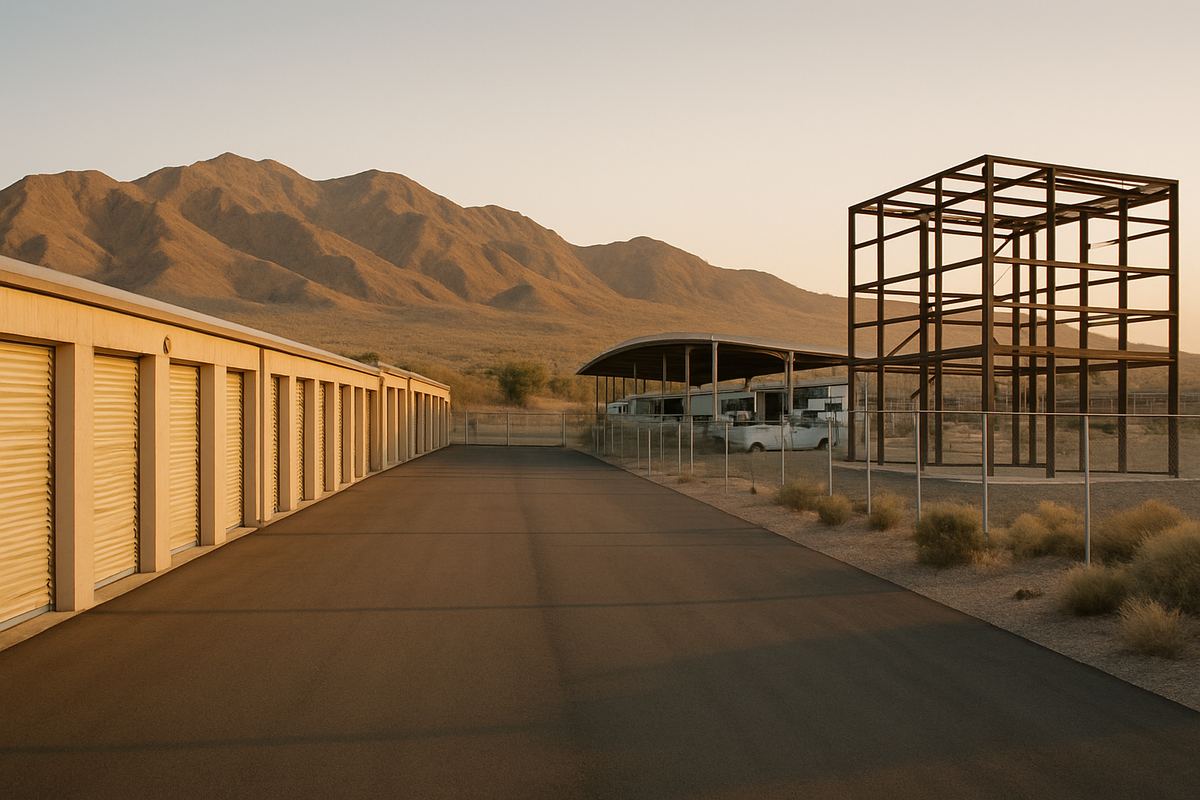
Some sites have poured slabs, steel frames or buildings without doors. Open building permits, contractor disputes or liens on unfinished work all need to be disclosed. We buy stalled projects as they stand, but we need to know the full story.
Put the Facility in Front of a Direct Buyer
Send the address and whatever basics you have on hand. We read it, call with a handful of questions about the operation, and only after that talk about price. Sending this does not commit you to anything.
Handy to have nearby, though nothing is required to begin:
- Approximate unit count and the mix of sizes
- A recent rent roll or occupancy report
- The last twelve months of income and expenses
- Which management software and gate system the site runs
Would rather talk it through? The red TALK TO ALEX button connects you to our line.
Zoning and approvals are part of the asset
Which code governs your parcel
In unincorporated Clark County, land use is governed by Clark County's Title 30 Unified Development Code, which the county adopted in its current form in 2024. Mini-warehouse projects in the county have gone through processes such as special use permits, design review and waivers of development standards, depending on the zoning district. Henderson, North Las Vegas and the City of Las Vegas, plus Washoe County, Reno and Sparks in the north, each apply their own codes. Confirm with the right jurisdiction rather than assuming.
Approvals can carry time limits
Many land use approvals come with conditions and expiration terms if work does not begin. Before you market expansion land, find out whether your approvals are current, expired or eligible for an extension. That status changes what a buyer can do next.
Utilities, access and drainage
Power, water for fire protection, curb cuts and drainage are often what stall a phase two. Records of what has been studied or paid for help a buyer understand the remaining work. If you paid connection fees or deposits to a utility, keep the receipts; they can matter to the next owner.
How a land or phase sale comes together
- Gather the paper trail. Parcel numbers, surveys, site plans, approvals, permits and any utility studies.
- Decide on the package. Land only, or land together with the operating facility.
- Walk the site with us, including slabs or partial structures and the connection to the existing facility.
- Review an as-is cash offer that reflects the approvals and work already in place.
- Close on the date you choose, with any parcel split or lot line questions sorted out with title beforehand.
Selling the land with or without the facility
Selling everything together is usually simplest: one buyer, one closing and no shared access easement to negotiate. Selling only the land can work when it sits on a separate parcel, but keeping the facility while a neighbor builds next door raises questions about access, drainage and competition. We are comfortable with either structure.
Timing matters too. A parcel split, a lot line adjustment or a new legal description can take time to record, and the title company will want it settled before closing. Because you pick the closing date, you can set it after those steps are finished rather than rushing the paperwork. If the land carries a loan together with the facility, your lender will also have a say in how a partial sale is handled. Talking to the lender early in the process avoids an unwelcome surprise in the final week.
Expansion land often comes up when partners are dividing a storage investment, when an outdoor yard has been operating on ground meant for buildings, as described in our notes on selling RV and boat storage, or when the existing buildings are struggling with occupancy and rates. Growth corridors such as the northern edge of North Las Vegas, Henderson's newer master-planned areas and the expanding Mesquite area are where we see the most expansion questions. Before calling, look over how a direct storage purchase works and our answers to questions land sellers raise.
Asked Often About This
Q.01Can I sell just the expansion land and keep my facility?
Often, yes, if the land is a separate parcel or can be legally split. You will want to think about shared access, drainage and whether a new competitor could build next to you. We can buy the land alone, or the land and facility together, depending on what you prefer.
Q.02My approvals expired. Is the land still worth selling?
Yes. Expired approvals still show that a storage use was considered for the site, and the engineering and studies you paid for can still be useful. A buyer will need to work with the jurisdiction on current requirements. We make offers on land in that position and account for the remaining approval work.
Q.03Do you buy partially built storage buildings?
Yes. Slabs, steel frames and unfinished shells are all things we can evaluate. Please share any open permits, contractor agreements and any liens tied to the work so we understand what has to be cleared at closing. Full disclosure up front keeps the sale on track.