Retiring From Your Storage Facility Without a Successor
You built the rent roll, fixed the gate at midnight and learned every tenant by name. When you are ready to stop, the facility still needs a next owner who can take it as it stands.
- Buyer
- Direct, cash
- Condition
- Purchased as-is
- Repairs
- None asked of you
- Commission
- None on a direct sale
- Closing
- The date you choose
- Footprint
- Nevada only
When the person who runs the gate is ready to stop
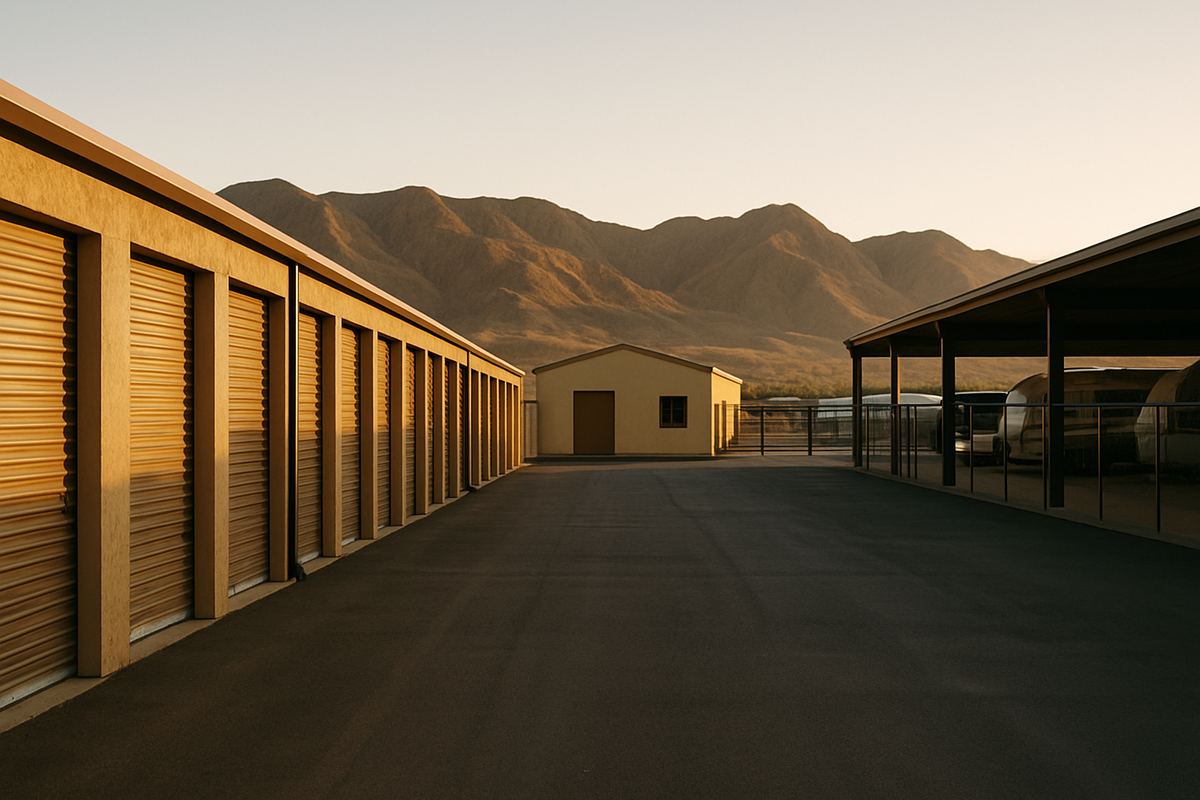
A lot of smaller Nevada storage facilities are still run by the person who bought or built them. The owner opens the office, answers the after-hours calls, chases the late payers and decides when to raise rates. That works for years. Then one day the question is not how to fill the last row of ten-by-tens, but who is going to do any of this after you.
The succession question nobody answered
The usual answers fall through. Grown children have careers in other states. The on-site manager is reliable but has no interest in owning the place. A former partner sold out years ago. Without a family member or employee ready to step in, the realistic options narrow to hiring a third-party manager, listing with a broker, or selling directly to a buyer who already operates storage.
Why waiting has a cost of its own
Owners who put off the decision often notice the business drifting before the numbers show it. Annual rate increases get skipped, so in-place rates fall behind street rates. Follow-up on past-due accounts gets lighter. Small repairs wait. None of it is a crisis, but over a few seasons it can turn a steady property into one with slipping occupancy and stale in-place rates, or one carrying a long list of worn roll-up doors, cracked paving and tired roofs. Deciding while you still have the energy to manage the handoff usually makes the transition smoother for you and for your tenants.
What a buyer studies on a long-held facility
A serious buyer is going to ask for the same things whether the facility runs on modern software or a binder behind the counter. Expect questions about:
- The rent roll, including physical occupancy (units rented) and economic occupancy (rent actually collected against what the units could earn).
- Street rates versus in-place rates, so the buyer can see how far long-term tenants sit below what a new tenant pays today.
- Delinquency: who is behind, how far, and which accounts are already in the lien process.
- Systems: management software, gate access hardware, cameras and whether a tenant insurance or protection program is in place.
- The physical plant: doors, paving, roofs, lighting, fencing and drainage.
Paper ledgers are not a dealbreaker
Plenty of retiring owners worry that hand-kept records will scare a buyer off. They do not have to. An experienced operator can rebuild a rent roll from ledgers, deposit records and lease files. What matters is that the records are honest and that you can walk through them.
Your lien files deserve a careful look
Storage liens in this state are governed by Nevada's self-service storage lien statutes in NRS Chapter 108 (sections 108.473 through 108.4783). Among other things, those sections spell out what a rental agreement must contain, including a space for the tenant to list an alternative contact address, and how notices must be sent before a lien sale. A buyer will want to know whether open lien files followed those steps. We are not your attorney, and this page should not be read as legal advice; if you are unsure about a file in progress, ask counsel before closing.
Put the Facility in Front of a Direct Buyer
Send the address and whatever basics you have on hand. We read it, call with a handful of questions about the operation, and only after that talk about price. Sending this does not commit you to anything.
Handy to have nearby, though nothing is required to begin:
- Approximate unit count and the mix of sizes
- A recent rent roll or occupancy report
- The last twelve months of income and expenses
- Which management software and gate system the site runs
Would rather talk it through? The red TALK TO ALEX button connects you to our line.
A retirement sale, step by step
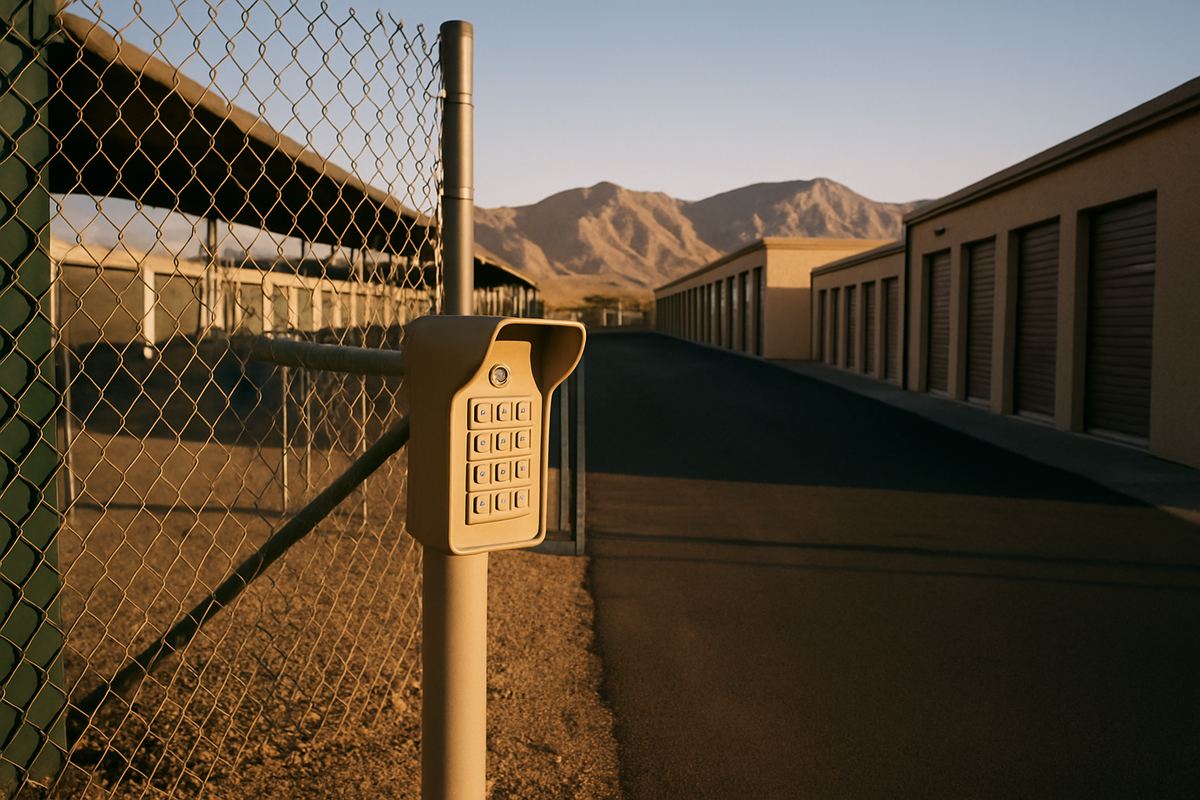
- Decide what you are selling. The whole facility, the facility plus any excess land, and whether an on-site residence or manager's apartment is included.
- Pull together what you have. The current rent roll or ledger, recent deposit records, a sample rental agreement, open lien files and any notes on repairs.
- Walk the property with us. We look at the units, gate, office and grounds as they are. No cleaning out vacant units, no patching before we arrive.
- Review a written offer. We present a cash offer for the facility as-is. You can take time, show it to your accountant or family, and ask questions.
- Choose your closing date. Set a date that fits your retirement plans, and we coordinate the facility closing with escrow around it.
Listing with a broker or selling direct
Both paths are legitimate. A broker can market the facility widely and may draw several bidders, though that process usually involves marketing time, buyer due diligence and a commission. Selling directly means one conversation, an as-is purchase and no broker commission at closing. Which fits depends on how much time and disruption you want in the last stretch. Our page on how a direct storage purchase moves from first call to closing lays out the sequence, and the common questions storage sellers ask before calling cover the rest.
Staying on for a transition, or walking away
Some retirees want to stay involved for a short stretch, introducing the new owner to long-time tenants or explaining the quirks of the gate system. Others want to hand over the keys and leave. Both are reasonable, and it is something to talk through openly before an agreement is signed.
If you live on the property
Older facilities often include a manager's apartment or the owner's home on the same parcel. If that is your residence, the closing date becomes a moving date too. Because the closing date is yours to set, the move can be timed around wherever you are going next.
Where retiring owners are calling from
We hear from long-time owners across the state, from older facilities on Pahrump's open desert lots to owner-run sites around Carson City and smaller properties in Boulder City. If you are also thinking about what would happen to the facility if you did nothing, it is worth reading what heirs face when a storage facility passes to them without a plan. A sale while you are still around to explain the business is usually simpler for everyone.
Asked Often About This
Q.01Do I need to raise rates or fill units before I sell?
No. We buy facilities as they stand, including properties where in-place rates have fallen behind the market or vacant units have not been rented in a while. Raising rates right before a sale can also unsettle long-time tenants. We would rather see the honest picture and make an offer on the facility you actually have, not a version dressed up for the sale.
Q.02What happens to my tenants when the facility sells?
In a typical sale the buyer takes over the existing rental agreements, so tenants keep their units and keep paying rent, now to the new owner. Gate codes, billing and contact information change hands as part of the transition. We talk through how and when tenants will be told so the change is orderly and nobody is surprised at the keypad.
Q.03Can I sell if my records are mostly on paper?
Yes. Many owner-operated facilities in Nevada still run on ledgers, receipt books and a filing cabinet of leases. We can work from those records along with bank deposits to understand the rent roll. Clear, honest records matter far more to us than which software produced them.
Q.04Will you pay a commission or ask me to pay one?
When you sell directly to us there is no real estate agent involved on your side, so there is no agent commission on that direct sale. You may still have ordinary closing costs through the title company, and you should talk with your own tax professional about how the sale affects you.