How a Direct Sale of Your Storage Facility Works
Five steps take a facility from a first phone conversation to a recorded deed. No commitment exists until a purchase agreement is signed, and the closing date is yours to choose.
- Buyer
- Direct, cash
- Condition
- Purchased as-is
- Repairs
- None asked of you
- Commission
- None on a direct sale
- Closing
- The date you choose
- Footprint
- Nevada only
The Five Steps at a Glance
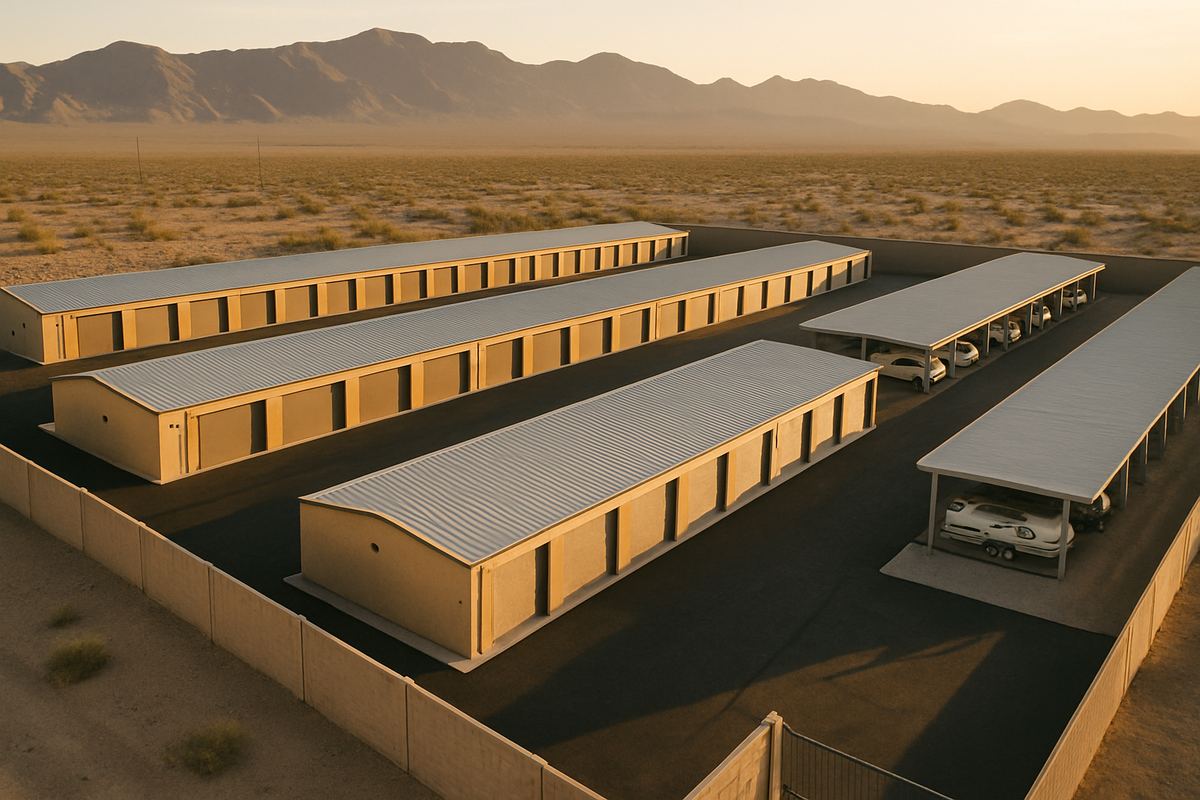
- Introductory call. A conversation about the facility, why you are thinking of selling and what timing works for you. No documents needed yet.
- Documents under an NDA. You share the rent roll, profit and loss statements, a trailing twelve-month statement and recent photos. We sign a confidentiality agreement first if you want one.
- Site visit. We walk the property, the office and a sample of units, and look at doors, paving, roofs, access control and any open land.
- Written offer or LOI. You receive a letter of intent laying out price, deposit, diligence period, closing costs and your chosen closing date.
- Due diligence, escrow and transfer. We confirm what we were told, the Nevada title and escrow company you agree on runs the closing, and we plan the tenant, gate and lien-sale handoff together.
Some sales move through these steps quickly and others take months, usually because the seller is coordinating an estate, a partnership vote or an exchange. Neither is a problem. Owners still weighing whether to sell the facility at all may find our summary of common reasons storage owners sell helpful in framing the decision.
Before Any Paperwork: The First Conversation
The first call is about context. We ask how many units and what types, roughly how long you have owned the property, how it is managed, and whether there is land, a residence or a second use on site. We also ask what you want out of a sale, because a retiring owner who wants to be done by year end and a family settling an estate have different priorities. If you are stepping away from a facility you run yourself, say so; it shapes how we plan the transition. You will not be asked for a price, and we will not give one on that call. It is also a chance for you to ask about us: how we would run the property, how we fund purchases and what a realistic schedule looks like. If the fit is wrong for either side, it is better to learn that in the first half hour than after weeks of document requests.
Put the Facility in Front of a Direct Buyer
Send the address and whatever basics you have on hand. We read it, call with a handful of questions about the operation, and only after that talk about price. Sending this does not commit you to anything.
Handy to have nearby, though nothing is required to begin:
- Approximate unit count and the mix of sizes
- A recent rent roll or occupancy report
- The last twelve months of income and expenses
- Which management software and gate system the site runs
Would rather talk it through? The red TALK TO ALEX button connects you to our line.
The Documents We Ask For and Why

Storage owners keep records in very different ways, and we work with what you have. A modern software export is easiest, but handwritten ledgers and bank statements are workable too.
Rent roll
A current list of units with size, tenant, move-in date, current rate and balance owed. This shows in-place rates, unit mix and delinquency in one document.
Profit and loss statements and the T-12
Recent annual statements plus the trailing twelve months, which show seasonality and recent trends. We will ask what costs, such as your own labor, do not appear on the books.
Photos and property details
Current photos, a site plan if you have one, and any notes on roofs, paving, permits or past repairs. Photos let us prepare for the visit so it goes quickly.
Walking the Property
The site visit is usually a few hours. We look at the condition of buildings and doors, drainage and paving, lighting, fencing, the gate and camera system, the office and any residence. We open a sample of vacant units and, with your permission, note what is stored in units flagged as abandoned. If the property has worn doors, failing paving or roof problems, we price that work rather than asking you to fix it. We can schedule the visit so it looks like any other customer arriving at the gate.
From Letter of Intent to Closing
The written offer
The letter of intent states the price, the earnest money deposit, the length of the due diligence period, who pays which closing costs, any seller financing or leaseback terms, and the closing date you chose. A letter of intent is generally non-binding; the purchase agreement that follows is the document that commits both sides. We encourage you to have your own attorney review it.
Due diligence and Nevada escrow
During diligence we verify the rent roll against deposits, review title, survey and zoning, and may order a Phase I environmental site assessment. A neutral Nevada title and escrow company holds funds and documents, and closing happens through escrow rather than hand to hand. Answers to common questions about this stage, including 1031 coordination, are in our seller questions and answers.
Tenants, gate codes and lien sales at transfer
Rental agreements carry over to the new owner, so tenants keep their units. We plan together how prepaid rent and deposits are prorated, how the software and gate codes are handed over, and how any lien sale already in motion under Nevada's storage lien statutes is either completed before closing or properly continued afterward, with counsel on both sides involved. Tenant notification is timed with you so service is not interrupted.
Whether your facility sits in the Las Vegas valley or the Truckee Meadows around Reno and Sparks, the steps are the same. You can also read about the people behind these offers.
Asked Often About This
Q.01Is a letter of intent binding?
Generally, no. A letter of intent outlines the main business terms so both sides can confirm they agree before spending money on attorneys and inspections. Some LOIs contain a few binding provisions, such as confidentiality, and those are labeled clearly. The binding commitment comes from the purchase agreement, which you should review with your own attorney before signing.
Q.02What if my records are incomplete?
That is common at owner-run facilities, and it does not end the conversation. We can work from bank statements, tax returns, a handwritten ledger or a walk through the units to rebuild the rent roll. Incomplete records may make diligence take longer, and uncertainty can affect terms, but we would rather work with what exists than ask you to create documents from scratch.
Q.03Who handles the closing?
A neutral title and escrow company licensed to operate in Nevada typically holds the earnest money, prepares closing statements, records the deed and disburses funds. Both sides can have their own attorneys. We are glad to use a title company you already trust, provided it handles commercial transactions.
Q.04Can I choose when the sale closes?
Yes. The closing date is set in the letter of intent based on what you need, whether that is a faster close, time to move off an on-site residence, coordination with an exchange, or waiting until an estate is ready. The due diligence period and title work set some practical limits, and we will be upfront about them.